
Wear Something Silver
Labelle, the Met, and the night in 1974 when Afrofuturism threw the best party Lincoln Center had ever seen.

Let’s get something not-so-straight.
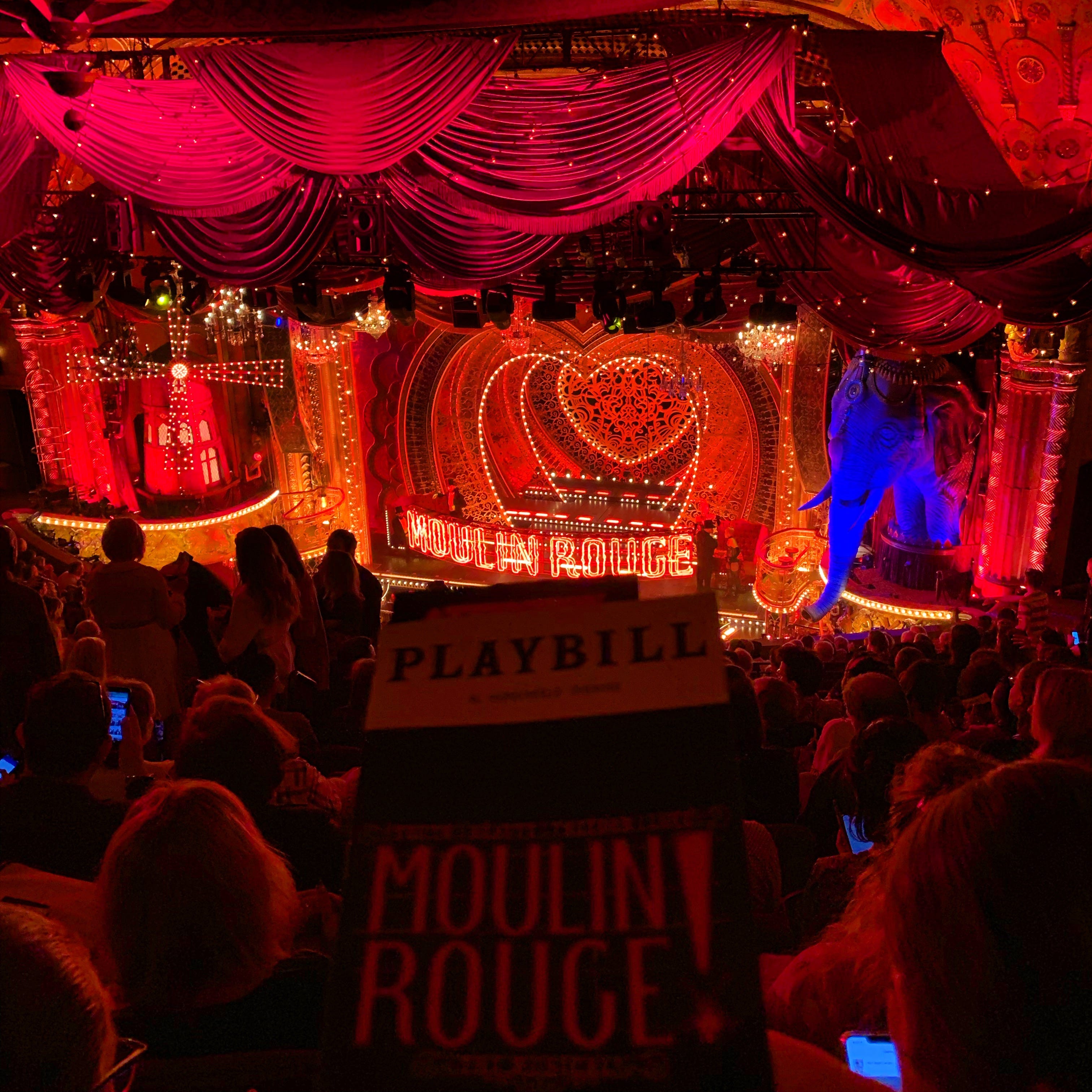
When Moulin Rouge! The Musical opened at the Al Hirschfeld Theatre on July 25, 2019, it opened with “Lady Marmalade.” Not buried in Act Two. Not as a callback. As the first thing you hear — the signal that you are now inside a world where desire is the organizing principle, sequins are load-bearing, and a French proposition from the stage is not a scandal but a greeting. The show won ten Tony Awards. Before that, in 2001, the Baz Luhrmann film put “Lady Marmalade” back on top of the Billboard Hot 100 for five weeks via Christina Aguilera, Pink, Mýa, and Lil’ Kim, won a Grammy, and introduced the song to an entire generation that thought they were discovering something new.
They weren’t. They were rediscovering something that had already happened at a considerably grander address.
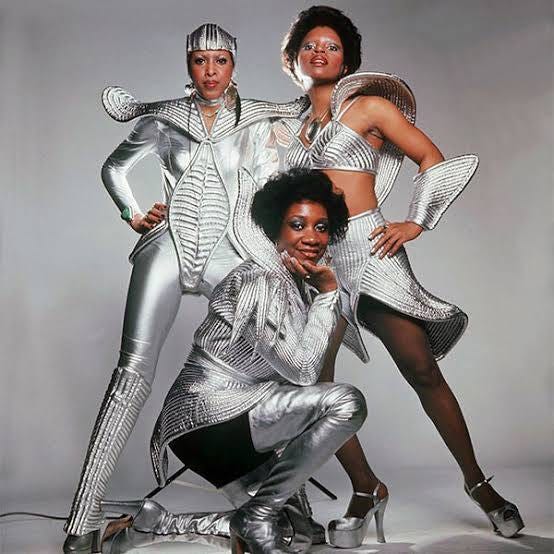
On October 6, 1974 — forty-five years before Moulin Rouge! opened on 45th Street — Labelle performed “Lady Marmalade” at the Metropolitan Opera House. Not in a jukebox musical. Not as a cover of a cover. As themselves: Patti LaBelle, Nona Hendryx, and Sarah Dash, in Larry Legaspi silver spacesuits with featherwork and chrome, before a sold-out crowd they had personally instructed to arrive dressed in silver.
The Met. The one at Lincoln Center. The one that seats nearly four thousand people and has held Caruso and Callas. That Met.
The Met just doesn’t have a cast recording.
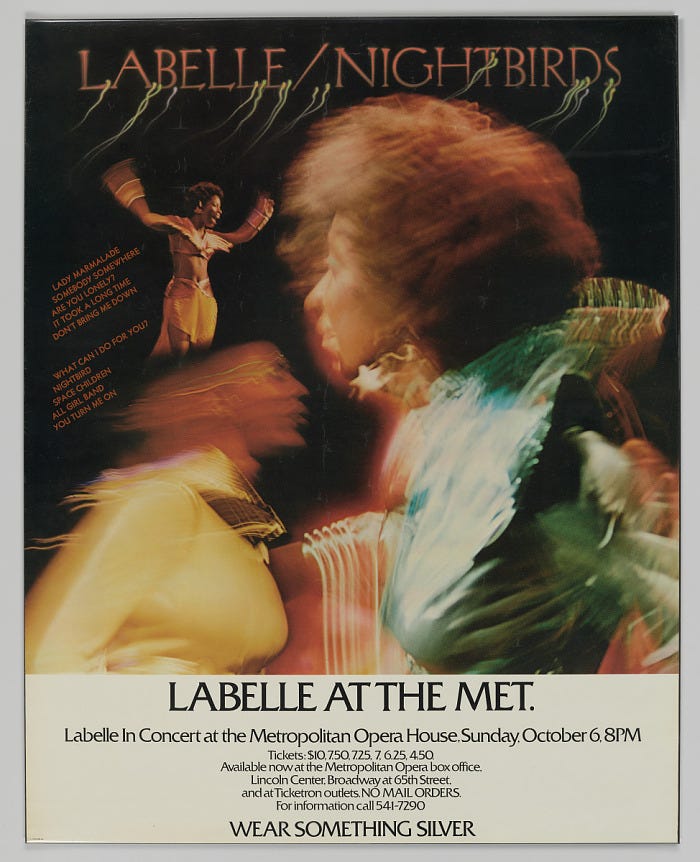
Here’s the thing about that crowd. It wasn’t the Met’s usual subscription audience. It wasn’t the rock kids or the art-school set either. The crowd that packed the Metropolitan Opera House for Labelle on October 6, 1974 was predominantly Black, prominently queer, and dressed — because Labelle told them to be — in silver. Highly adorned Black gay men who had been following Labelle through the disco circuit. Lesbians from feminist collectives. The kind of crowd the Met had never held before and wouldn’t know quite what to do with after.
Labelle had built this audience deliberately and on their own terms. Before the Met booking, “Lady Marmalade” was playing the discos, and Labelle would drop in, dance, and personally tell the room about the upcoming engagement at Lincoln Center. They advertised the show in After Dark, Michael’s Thing, and Interview — gay publications, not the classical music press. The Continental Baths, where Bette Midler had been building a cult following for a towel-clad gay audience twelve blocks from Lincoln Center, was part of the same ecosystem. Labelle wasn’t trying to cross over to the Met’s audience. They were bringing their own audience into the Met’s building. Those are two very different things.
And their audience came.
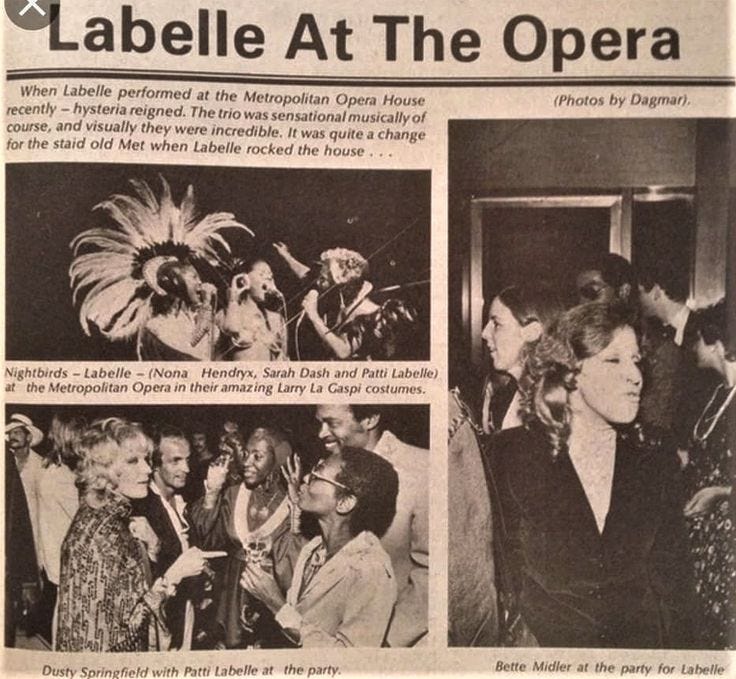
Patti LaBelle, decades later, still lights up describing it: “Everybody came in with something silver on. I remember Debbie Allen was there, Cher was there, the Cycle Sluts. Some people had their behinds hanging out with their little, whatever they had on.”
New York Times critic John Rockwell was there too. His review, filed October 11 under the headline “Labelle at Met: Sequins, Regions and Acoustics,” is one of the most candid documents of what that night actually looked like. Rockwell noted that Labelle’s fans were “neither the literate punks that love The Who nor the soft and furry creatures that flock to Melanie” — and then, with the arch precision of a man who knew exactly what he was describing, observed that “if one wanted to be catty about it, one could suggest that Sunday’s crowd was the Met’s opera audience come out of the closet: there can rarely have been so many bearded gentlemen in dresses, razzle-dazzle sequins and arched eyebrows at a Met performance before.”
Read charitably, Rockwell is processing something the culture didn’t yet have clean language for. Read accurately, he is an eyewitness to the Metropolitan Opera House being claimed by Black queer culture — and writing it down for the newspaper of record in October 1974. Rockwell knew the room he was sitting in. He just hadn’t been in one like it before.
Which raises the obvious question: how did this happen? Who opened that door?
The Metropolitan Opera’s General Manager in October 1974 was Schuyler Chapin, who had inherited the job in 1972 after the sudden death of his predecessor, Göran Gentele, in a car accident in Sardinia. Chapin was, by any account, an expansive thinker about what a major cultural institution could contain — he brought Beverly Sills to her Met debut, invited Danny Kaye for young people’s concerts, and was that same year actively planning a Met production of Porgy and Bess with Leonard Bernstein. The Labelle booking fits the pattern of a man who understood that the house needed to breathe.
But the exact paper trail — whose desk the booking landed on, who made the call, whether Chapin personally signed off or whether it was Vicki Wickham’s salesmanship that walked it through a particular door — remains undocumented in any publicly searchable source. Chapin’s 783-page oral history at Columbia University, recorded in 1977, covers his tenure in exhaustive detail. It has not been fully digitized. The Met Archives hold the administrative record from that era. The answer is almost certainly in one of those two places.
This is not a trivial gap. It is the most interesting question the Labelle Met performance poses to anyone running a performing arts venue today. Someone inside that building said yes to something the broader culture was actively arguing about — “Lady Marmalade” was being banned by radio stations, condemned from church pulpits in Seattle, and had its lyric changed to “Do you want to dance with me?” by CBS for a Cher television appearance. The Met held it anyway. What was the internal conversation? What made it possible? Those questions belong to performing arts leaders now, not just historians.
“I don’t limit myself. I’m all sexes. I don’t know what a heterosexual or a bisexual or a homosexual or a monosexual is. I don’t understand the differences.” - Nona Hendryx, 1975
The costumes were the work of Larry LeGaspi — gay, Puerto Rican, working-class Jersey City — who was simultaneously dressing Kiss and Funkadelic and who understood that a spacesuit is armor and an invitation at the same time. Silver chain mail loincloths, rhinestone headdresses, flight helmets, handcuffs worn at the hip. Nona Hendryx, in the Rolling Stone cover story that followed — the first time an all-Black act appeared on that magazine’s cover — stated the group’s philosophy without equivocation: “I don’t limit myself. I’m all sexes. I don’t know what a heterosexual or a bisexual or a homosexual or a monosexual is. I don’t understand the differences.”
This was 1975. Six years after Stonewall. It was not a diplomatic statement. It was the whole argument.
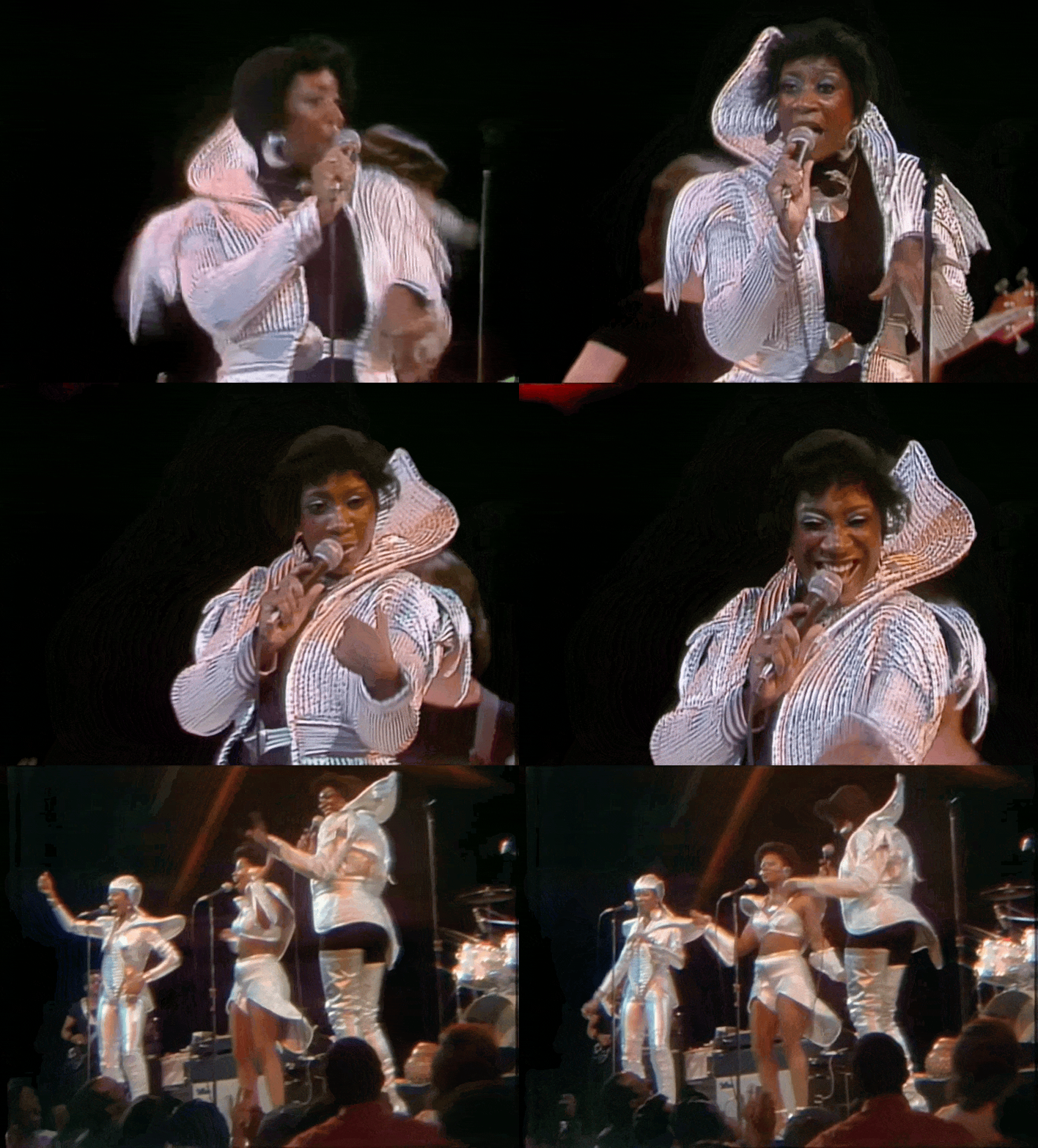
When Labelle walked onto the Met stage in silver, they were not performing assimilation. They were annexing the grandest concert hall in America for a vision of Blackness that was extraterrestrial, erotic, and free — and they brought four thousand people with them who knew exactly what they were there for. Afrofuturism is not simply an aesthetic. It is a philosophical insistence that Black people have a future, that they belong to modernity and to whatever comes after modernity, and that the imagination is a political instrument.
Now hold all of that — the sold-out Met, the Black queer crowd in silver, the aisles full of dancing, Nona Hendryx in a flight helmet declaring herself all sexes, Patti LaBelle descending on rings and wire like a goddess sex machine while “Lady Marmalade” bounced off the same acoustics that held Enrico Caruso — and set it beside what was coming.
Five years later. July 12, 1979. Chicago radio DJ Steve Dahl organized Disco Demolition Night at Comiskey Park. Fans paid 98 cents for a White Sox ticket in exchange for a disco record to be blown up on the field between games. Nearly 50,000 showed up. They chanted “Disco Sucks.” They stormed the field and set fires. Ushers noted that the records brought for destruction weren’t only disco — they were soul, funk, and R&B, music associated with Black artists broadly. Nile Rodgers of Chic watched the footage the next day and said it felt like a Nazi book burning.
The history is not subtle. Disco was music built by and for Black, Latine, and queer communities, and the backlash against it was a backlash against them. In 1974, Labelle brought those communities to the Metropolitan Opera House and the institution said yes. In 1979, 50,000 people came to a baseball stadium to burn their records.
“Lady Marmalade” survived it. Of course it did.
This weekend, it comes home.
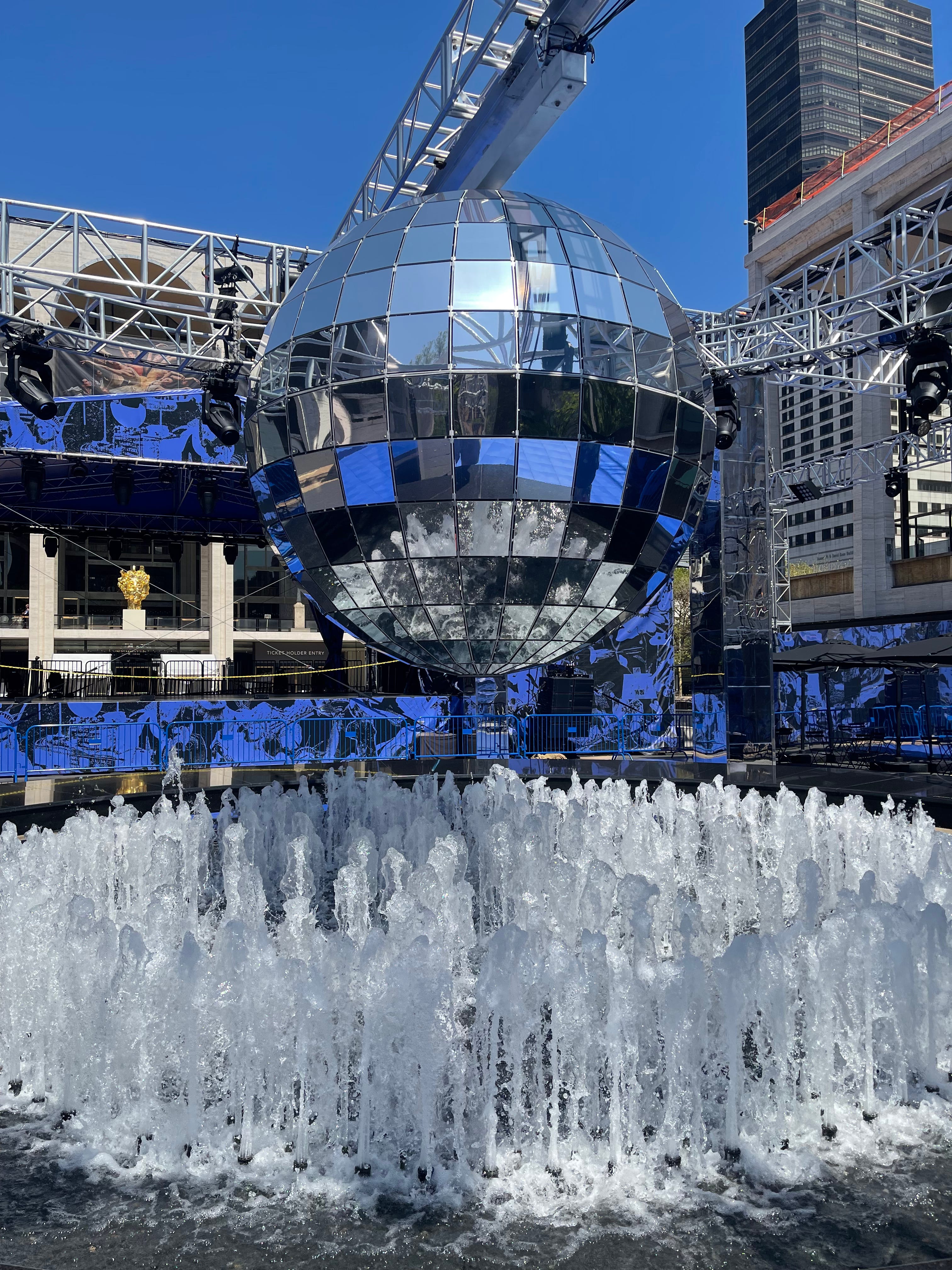
Lincoln Center’s Summer for the City presents Nightbirds, The Music of Labelle on June 28, featuring founding member Nona Hendryx alongside original Labelle musicians at David Geffen Hall — across the plaza from the Met stage where it all started fifty years ago. Outside on the plaza, Summer for the City‘s iconic disco ball turns in the summer air, scattering silver light across the same Lincoln Center campus where Rockwell once sat trying to find the words. The crowd knew then. The crowd will know this weekend. Silver still means something.
And the story isn’t over. A new rock opera — titled Labelle — is in development, written by Nona Hendryx in collaboration with two-time Pulitzer Prize-winning playwright and Tony winner Lynn Nottage (Sweat, Ruined). It will track how Labelle broke barriers of race, gender, and genre while blending rock, funk, soul, and glam into a sound that transformed the music industry. Hendryx has described it as an immersive celebration of artistic liberation and cultural defiance.
Which, by the way — all musicals are operas. Not all operas are musicals. What LaBelle did at the Metropolitan Opera House in 1974 was both and neither. The institution on 45th Street eventually caught up. With a rock opera in development and Hendryx back at Lincoln Center this weekend, “Lady Marmalade” and the Black strength behind it may have a few more years left on Broadway yet.
I came for interest and left with a whole new perspective. Educational, enlightening, and refreshingly forward-thinking. It’s the kind of article that doesn’t just teach you something—it gets you thinking long after you’ve finished reading.
❤️